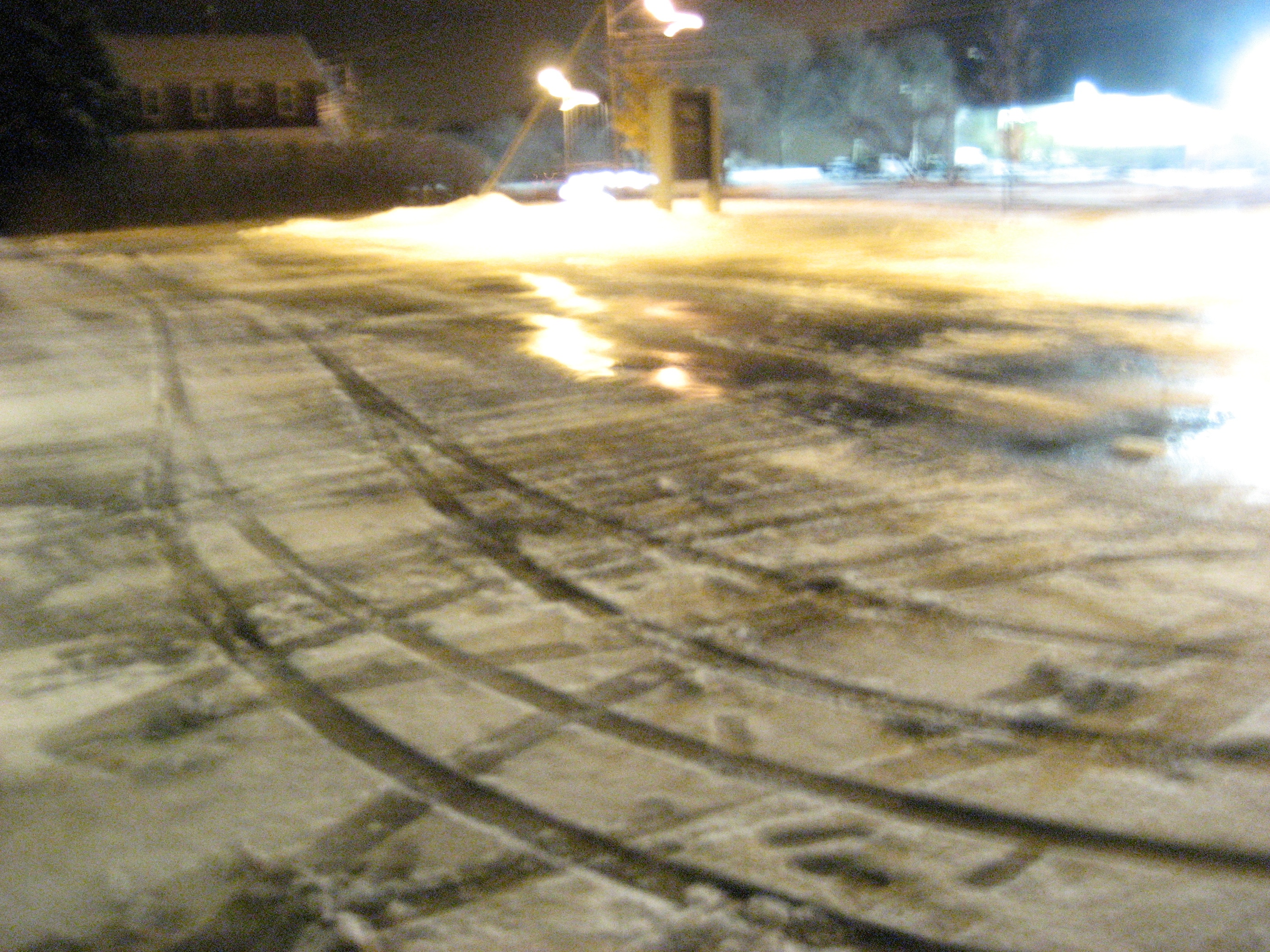
 A few weeks ago we had a snow storm where in live (outside Philadelphia, PA) it was about 14 inches of snow mixed with some sleet as well. Needless to say it wasn’t the safest conditions to work or walk outdoors for several days.
I was having a conversation with a co-worker as we were walking out the door. We got to the parking lot and finished up. He started walking to his car and almost slipped and fell on the ice! Our parking lot was a real mess with sporadic ice all over. It occurred to me he wasn’t wearing the ice cleats that we manufacture (AND he sells). Realizing it was a near miss I took that as a good opportunity to make it a learning lesson in parking lot safety at work for this individual.
I asked do you know why you almost fell.
He admitted it was due to the weather. I smiled, showed him the bottom of my boots and exposed my ice cleats. I said you know that close call would have never happened if you were wearing our ice cleats or any of the other traction aids that we manufacture. He reluctantly laughed and said yeah that’s true. Damn newbies.
I’ve noticed a trend the last few years with more and more companies making ice cleats that they buy for field workers also available for office staff. Even though your office staff may not have the same amount of exposure to the ice and snow compared to your field employees the costs of the accident could be just as expensive. Consider these parking lot safety tips if you are having problems with slips and falls.

Thank you for reading. If you found value in this post, please consider sharing it with your LinkedIn network or simply “like” it.
Bill Coyne is the VP of Sales for Winter Walking. He has been helping organizations across a wide variety of business sectors prevent workplace slips and falls in ice and snow for over 14 years. Winter Walking currently helps some of the world’s largest organizations keep their employees both safer and more productive while working outdoors in the winter season. Contact bill@winterwalking.com or visit www.winterwalking.com.