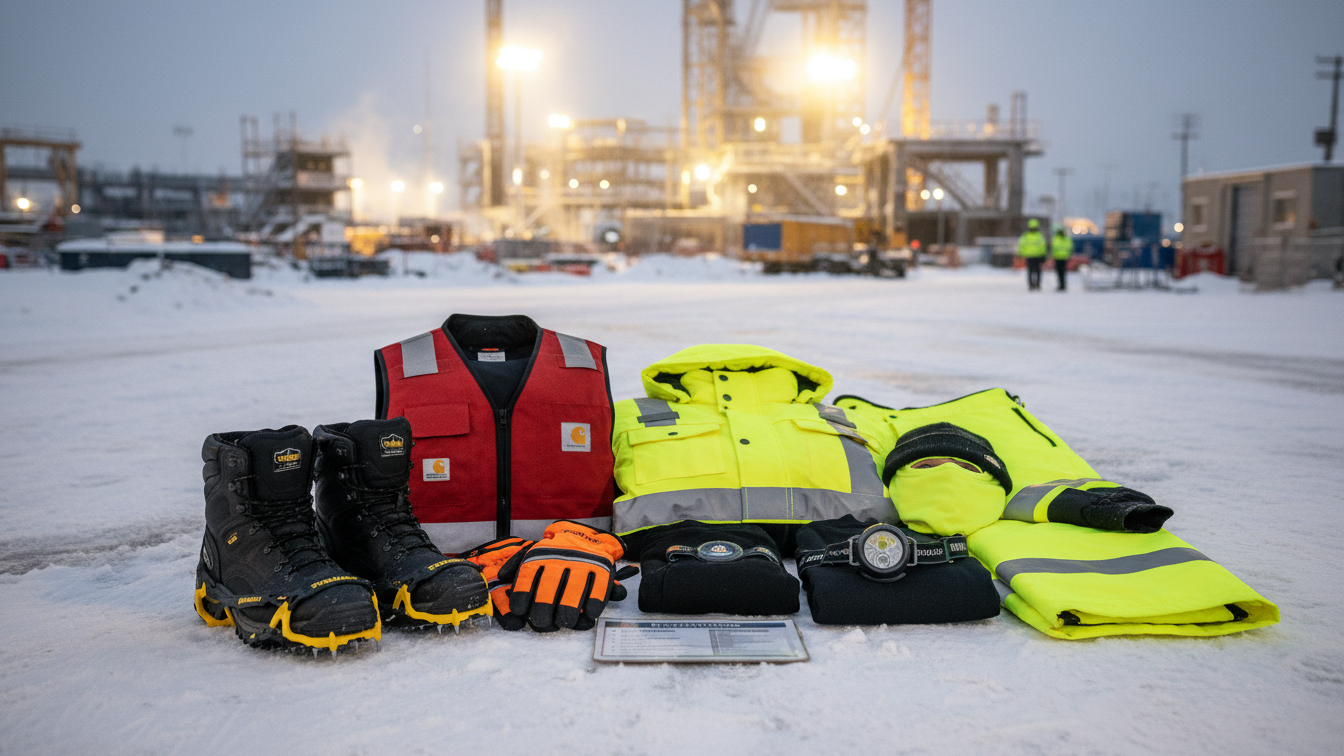
What to look for in winter safety gear - and which brands safety teams rely on Harsh winters expose weak safety equipment fast. Ice, snow, freezing rain, and refreeze cycles create conditions where standard gear simply does not hold up. For safety managers, facility leaders, and procurement teams, choosing the right winter safety equipment brands is critical to reducing slip and fall incidents and keeping workers safe. This guide explains what makes winter safety equipment reliable and highlights trusted brands by category, so organizations can build an effective winter safety program for hars[…]
Continue Reading
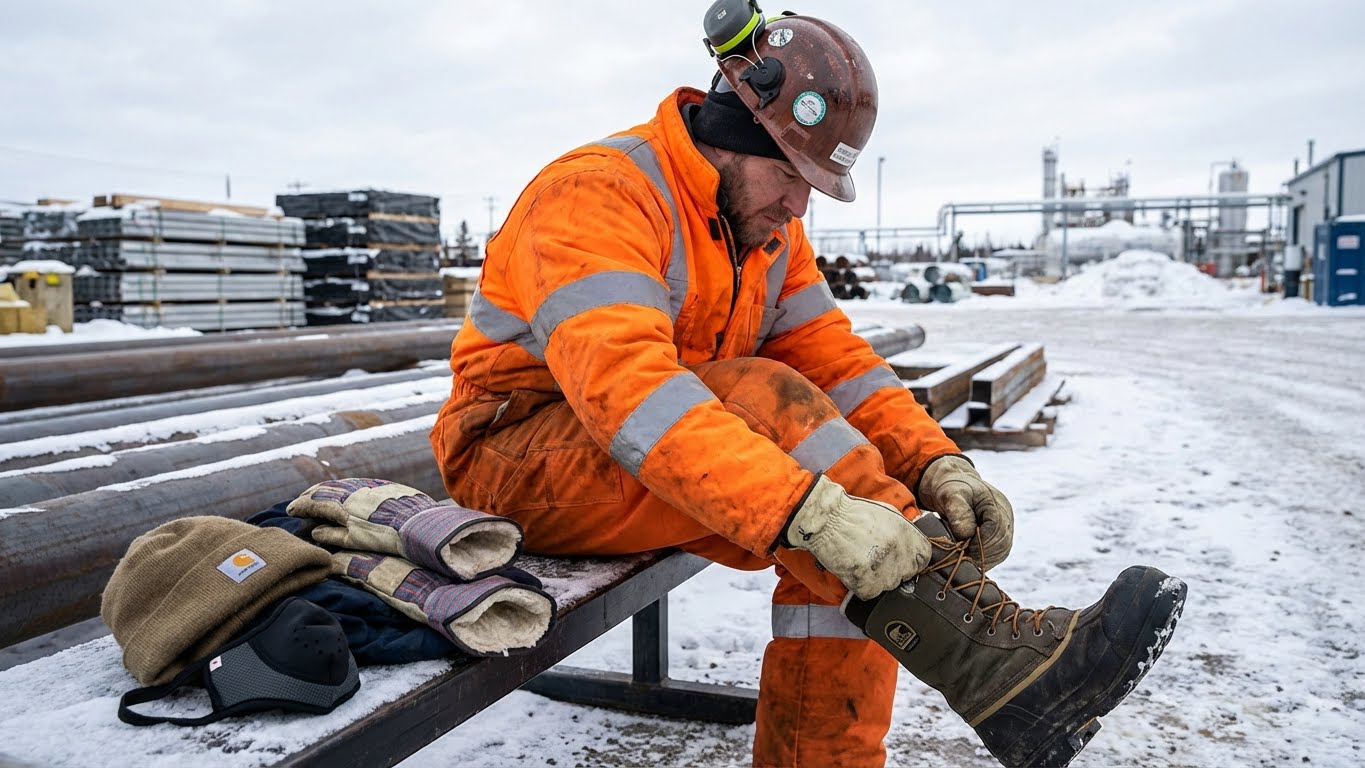
When winter arrives, many people assume better winter boots are the answer to icy conditions. Warm, waterproof, slip resistant boots are often seen as the primary solution for winter safety. But when it comes to actually preventing slips and falls on ice, winter boots alone are not enough—especially in high-risk work environments where one fall can mean lost time, recordable incidents, and serious injury. This article breaks down how ice cleats differ from winter boots and explains why ice cleats are the most effective tool for preventing winter slips and falls. For safety professionals respon[…]
Continue Reading
Forget the reindeer and the magic dust for a moment. Let’s talk logistics. Consider the operational demands: One night. Billions of stops. Diverse, unpredictable terrain ranging from slick urban loading zones to frozen rural driveways. When we talk about high-stakes, time-critical delivery operations, nobody has more experience than the man in the red suit. He runs the tightest supply chain on the planet. But here is the industry secret that keeps the operation running smoothly: when the pressure is on, Santa doesn’t rely on "Christmas magic" to stay vertical on the ice.
Continue Reading
A practical guide to fit, comfort, and real protection Women are taking on more roles in construction, manufacturing, logistics, utilities, and outdoor service work. As the workforce diversifies, winter safety needs to evolve too. Cold weather introduces slippery surfaces, reduced visibility, and tougher working conditions. When PPE does not properly fit women, the risks grow even higher. Poorly sized gear leads to discomfort, non compliance, and preventable injuries. This guide walks through the key winter safety considerations for women in industrial and outdoor environments, and why fit and[…]
Continue Reading
A closer look at footwear fit, sizing gaps, and ergonomic differences Slip and fall incidents are among the most common workplace injuries during winter. Ice, slush, and freezing conditions make every step more dangerous, but what many organizations overlook is that women often face unique risks in these environments. These risks have nothing to do with skill or awareness. Instead, they come from differences in footwear fit, equipment sizing, and the way many winter traction products are designed. Understanding these factors helps employers create safer and more inclusive winter safety program[…]
Continue Reading
A practical checklist for safety managers Winter brings predictable hazards, and slips and falls are at the top of the list. The good news is that most winter related slip risks can be identified and controlled long before the first freeze. A structured facility audit helps safety managers pinpoint problem areas, strengthen controls, and reduce preventable injuries.
Continue Reading