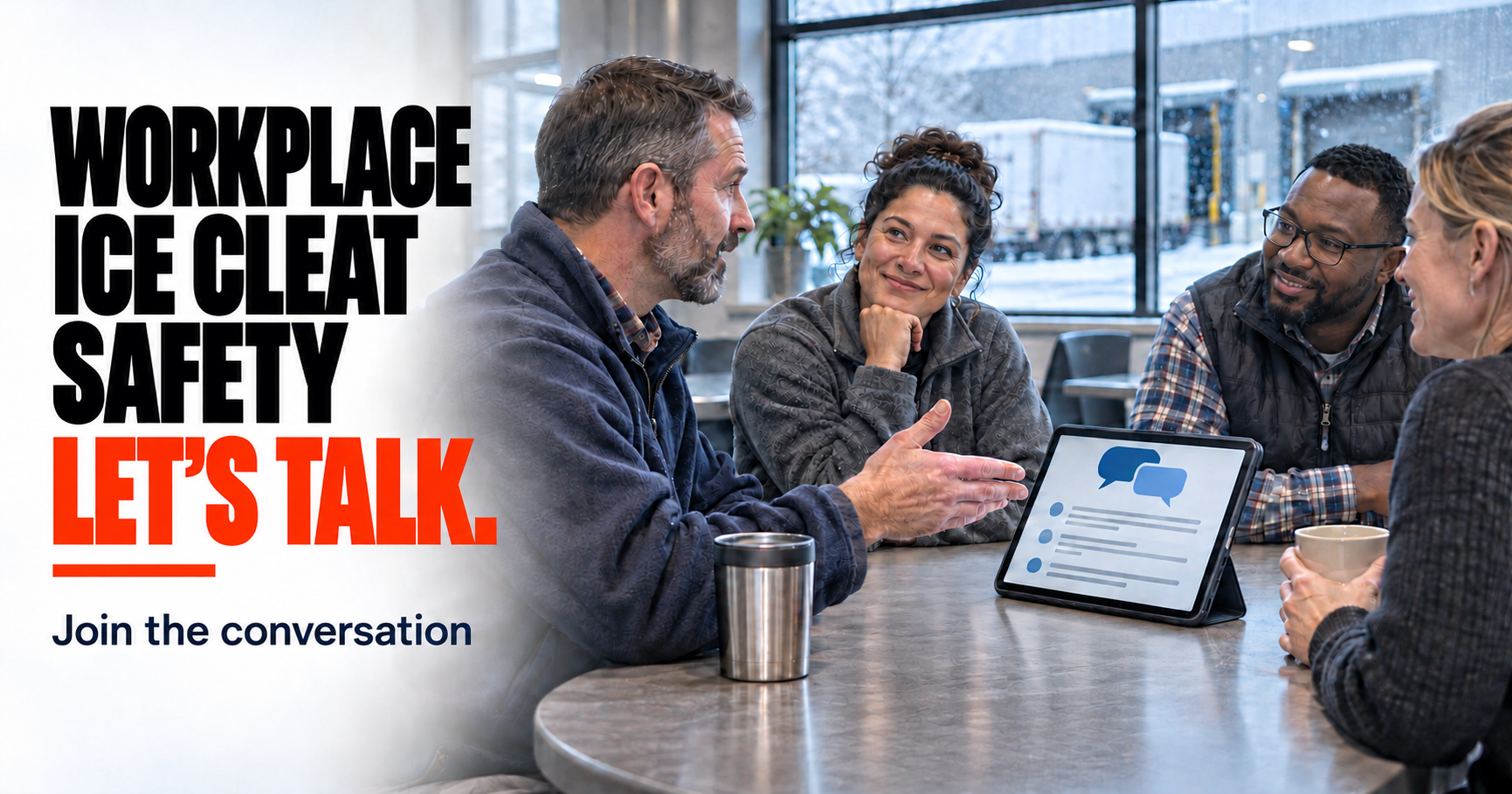
How do you choose ice cleats for employees who perform different jobs? What helps crews wear them consistently? How do other organizations test traction before outfitting an entire workforce? These are practical questions that deserve an ongoing conversation.
Continue Reading
What is the ROI of providing ice cleats to employees? It is the financial return from potentially avoided winter slip-and-fall incident costs compared with the complete cost of outfitting employees. For example, if a 1,000-employee organization spends $45,000 on ice cleats and avoids five incidents at an assumed $48,000 per incident, its illustrative net savings would be $195,000, or approximately 433% ROI. These numbers are hypothetical, not promised safety outcomes.
Continue Reading
Choosing the right ice cleats for employees starts with understanding how and where they work. Employees who spend their shifts outdoors in snow and ice have different traction requirements than delivery drivers, warehouse workers, or employees walking across icy parking lots.
Continue Reading
Most traditional ice cleats should not be worn indoors. Aggressive studs designed to grip ice can become slippery on hard indoor floors and may damage some flooring. However, ice cleats designed specifically for frequent indoor/outdoor transitions can reduce these concerns and may be appropriate for workers who move between icy outdoor surfaces, buildings and vehicles throughout the day.
Continue Reading
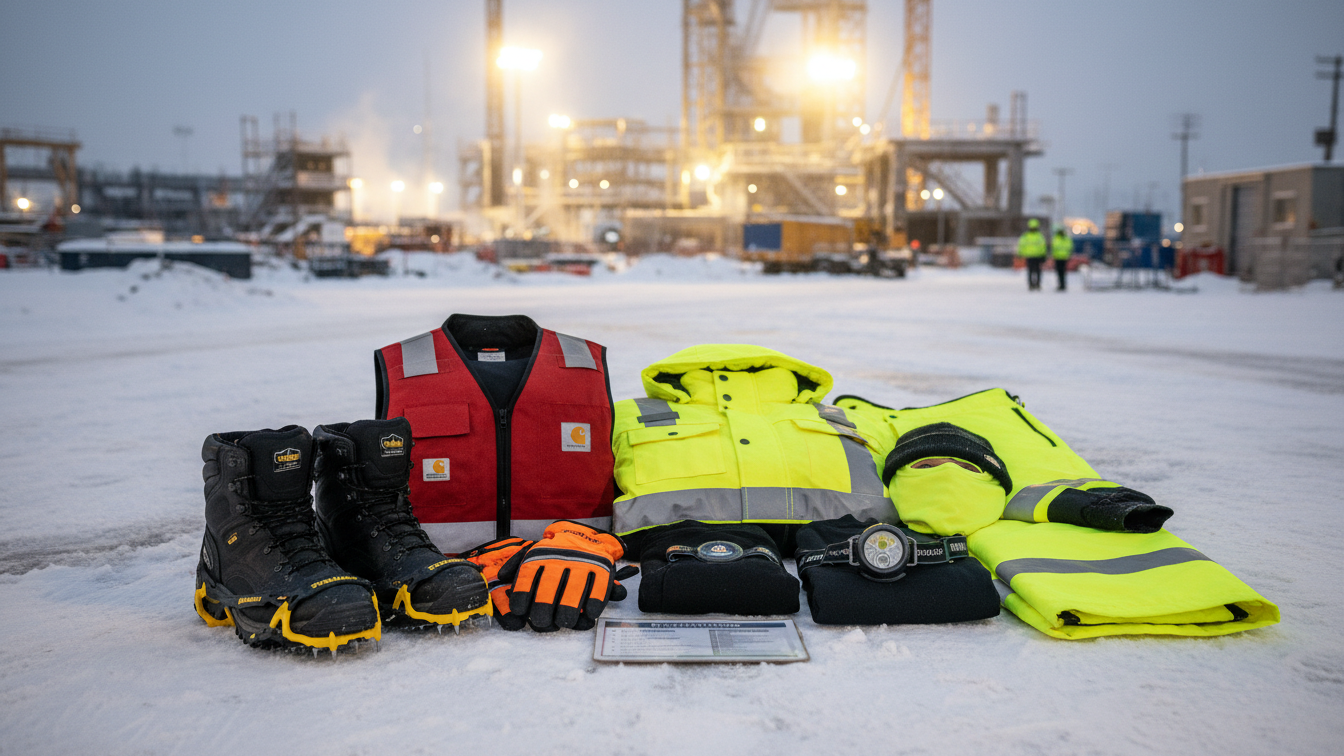
What to look for in winter safety gear - and which brands safety teams rely on Harsh winters expose weak safety equipment fast. Ice, snow, freezing rain, and refreeze cycles create conditions where standard gear simply does not hold up. For safety managers, facility leaders, and procurement teams, choosing the right winter safety equipment brands is critical to reducing slip and fall incidents and keeping workers safe. This guide explains what makes winter safety equipment reliable and highlights trusted brands by category, so organizations can build an effective winter safety program for hars[…]
Continue Reading
Forget the reindeer and the magic dust for a moment. Let’s talk logistics. Consider the operational demands: One night. Billions of stops. Diverse, unpredictable terrain ranging from slick urban loading zones to frozen rural driveways. When we talk about high-stakes, time-critical delivery operations, nobody has more experience than the man in the red suit. He runs the tightest supply chain on the planet. But here is the industry secret that keeps the operation running smoothly: when the pressure is on, Santa doesn’t rely on "Christmas magic" to stay vertical on the ice.
Continue Reading